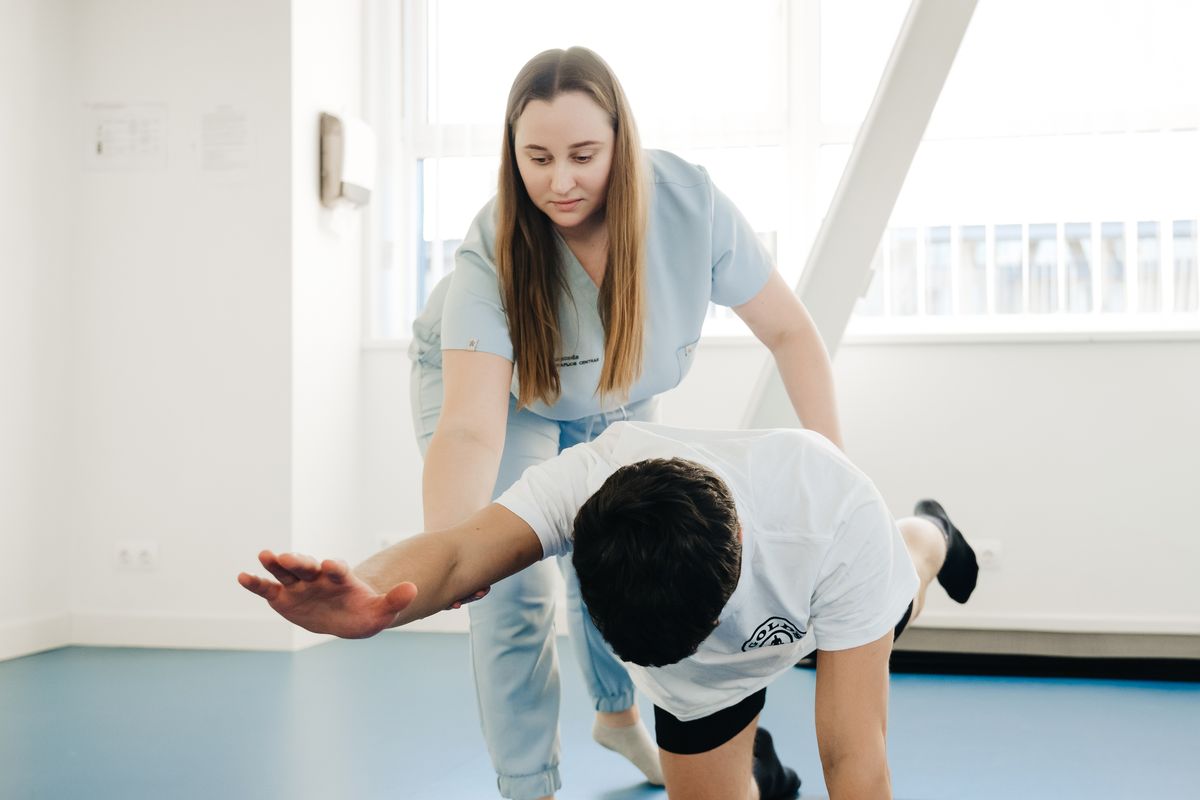
From nagging shoulders to post-surgical knees, orthopedic PT is the engine of everything we do — a full 45 minutes, one-on-one, with the same Doctor of Physical Therapy at every visit.
Orthopedic physical therapy diagnoses and treats problems of the muscles, joints, tendons, ligaments, and bones — from acute injuries and arthritis to post-surgical recovery. Research shows starting PT early for low back pain cuts downstream costs by roughly 60% and reduces opioid use, imaging, and surgery. RISE Physical Therapy provides one-on-one, 45-minute orthopedic care in Boise and Nampa, Idaho with no physician referral required.
What is orthopedic physical therapy?
Orthopedic physical therapy is the branch of PT focused on the musculoskeletal system — your muscles, joints, tendons, ligaments, and bones. An orthopedic physical therapist examines how you move, identifies the tissue and the mechanics behind your pain, and treats both: hands-on techniques to restore motion and calm symptoms, plus progressive exercise to rebuild the capacity that keeps problems from returning.
It covers most of what brings people to our Boise and Nampa clinics: back and neck pain, shoulder and rotator cuff problems, tennis elbow, hip and knee arthritis, ankle sprains, plantar fasciitis, and recovery after surgeries like ACL reconstruction, rotator cuff repair, and joint replacement.
Why see a physical therapist first?
Seeing a physical therapist first is one of the best-documented decisions in musculoskeletal care. In a study of 122,723 patients with new low back pain, those who received early, guideline-adherent physical therapy had roughly 60% lower total back-related costs over two years — with significantly less advanced imaging, fewer spinal injections, fewer surgeries, and fewer opioid prescriptions.[1] A separate analysis found that patients who saw a PT first were significantly less likely to receive an opioid prescription at all.[2]
The exercise side of orthopedic PT carries strong evidence too: a synthesis spanning 204 studies concluded exercise therapy for tendon problems is safe, effective, and rated by patients as producing substantial improvement.[3] And because Idaho is a direct-access state, "PT first" is a decision you can simply make — no referral needed.
Orthopedic PT pairs hands-on treatment with progressive loading — restore motion first, then rebuild capacity.
What conditions does orthopedic PT treat?
Orthopedic physical therapy covers the full musculoskeletal map. At RISE, the most common reasons for a first visit include:
Low back pain and sciatica; neck pain and cervicogenic headaches
Rotator cuff injuries, frozen shoulder, and shoulder impingement
Tennis and golfer's elbow, wrist and hand pain
Hip impingement, bursitis, and hip or knee osteoarthritis
Ankle sprains, Achilles tendinopathy, and plantar fasciitis
The average outpatient clinic books two to four patients per hour and hands much of the visit to aides. RISE was founded on the opposite model: every session is a full 45 minutes, one-on-one, with the same Doctor of Physical Therapy from evaluation to discharge.
A whole-person evaluation: we look above and below the painful spot — hips for knee pain, thoracic spine for shoulder pain — because the site of pain is often not the source.
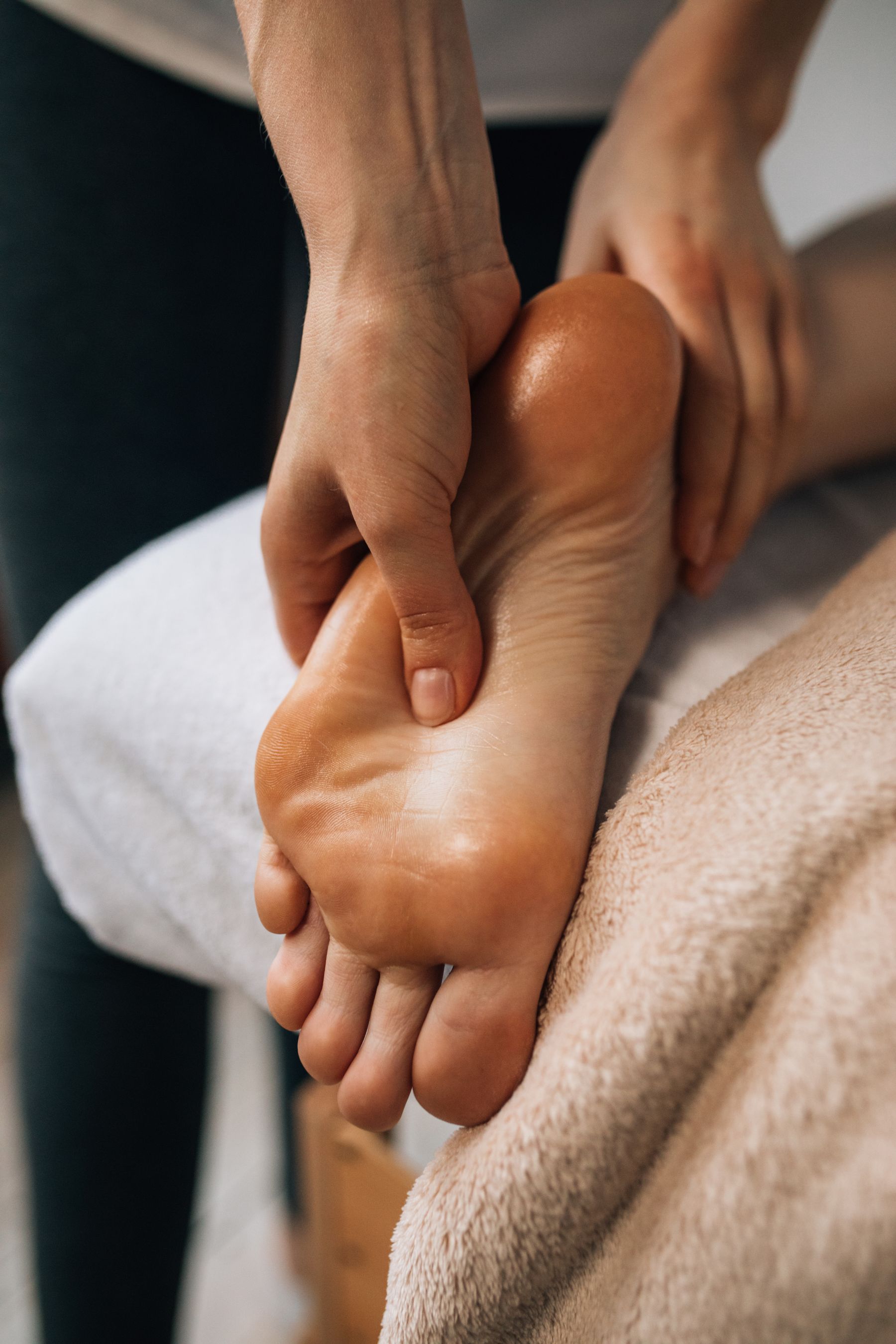
Hands-on treatment every visit: joint mobilization, soft tissue work, and dry needling as indicated, not just a sheet of exercises.
Progressive loading: a strength plan that advances week by week, matched to your tissue’s stage of healing.
Objective progress markers: range, strength, and function are measured, so you always know whether the plan is working.
A movement exam that separates the site of pain from the cause of pain.
02 — TREAT
Restore motion
Manual therapy and targeted modalities calm symptoms and restore normal joint and tissue mobility.
03 — REBUILD
Load it back up
Progressive strength work returns the tissue to full capacity — the step most rehab skips.
What to expect at your first visit
Your history and goals. What happened, what you’ve tried, and what "better" actually means for you — gardening, powerlifting, or pain-free sitting.
A hands-on movement exam. Strength, mobility, joint mechanics, and the neighboring regions that influence them.
A plain-language diagnosis. What’s driving your pain, what isn’t, and whether anything needs a physician instead.
Treatment on day one. Hands-on care plus your first two or three exercises, chosen for your specific findings.
A plan with a timeline. Expected number of visits, milestones along the way, and how we’ll measure progress.
Frequently asked questions
Do I need to see a doctor before starting physical therapy in Idaho?+
No. Idaho is a direct-access state, so you can book an evaluation at RISE without a referral. Physical therapists are trained to screen for problems outside our scope and refer you to the right provider when needed. A few insurance plans — commonly Medicare, Medicaid, and Tricare — still require a referral for coverage, and we’ll verify yours before your first visit.
Do I need an X-ray or MRI before physical therapy?+
Usually not. Most musculoskeletal pain is diagnosed accurately with a clinical exam, and early imaging for uncomplicated back pain is associated with more procedures without better outcomes. If your exam raises a flag that genuinely warrants imaging, we’ll tell you and coordinate the referral.
What’s the difference between physical therapy and chiropractic care?+
There’s overlap — both professions use hands-on joint techniques. The core difference is what happens next: physical therapy pairs hands-on treatment with progressive exercise and a planned discharge, with the goal of you not needing us anymore. Our sessions are 45 minutes one-on-one, which makes that combination possible.
How many visits will I need?+
It depends on the condition, how long you’ve had it, and your goals — but most orthopedic plans of care at RISE run roughly 6–12 visits. Because every visit is a full 45 minutes with your therapist, we typically accomplish in one session what high-volume clinics spread across two or three.
Can you help after surgery?+
Yes — post-surgical rehab is a core part of our practice, including ACL reconstruction, rotator cuff repair, meniscus surgery, and joint replacements. We follow your surgeon’s protocol, communicate with their office, and progress you through criteria-based milestones to full function.
Does insurance cover orthopedic physical therapy?+
Nearly all major medical plans cover orthopedic physical therapy. RISE is in-network with most major insurance plans in Idaho — contact us with your insurance details and we’ll verify your benefits before your first appointment.
Carson is a co-founder of RISE Physical Therapy. He earned his Doctorate of Physical Therapy at Pacific University after a Kinesiology degree at Boise State, and focuses on orthopedic, low back, and foot & ankle care. Meet the full team →
SOURCES
Implications of early and guideline adherent physical therapy for low back pain on utilization and costs. BMC Health Serv Res, 2015. ncbi.nlm.nih.gov/pmc/articles/PMC4393575/
Physical Therapy as the First Point of Care to Treat Low Back Pain: An Instrumental Variables Approach to Estimate Impact on Opioid Prescription, Health Care Utilization, and Costs. Health Serv Res, 2018. ncbi.nlm.nih.gov/pmc/articles/PMC6232429/
Exercise therapy for tendinopathy: a mixed-methods evidence synthesis exploring feasibility, acceptability and effectiveness. 2023. pubmed.ncbi.nlm.nih.gov/37929629/
 Medically reviewed by Dr. Carson Bailey, PT, DPT · August 2026