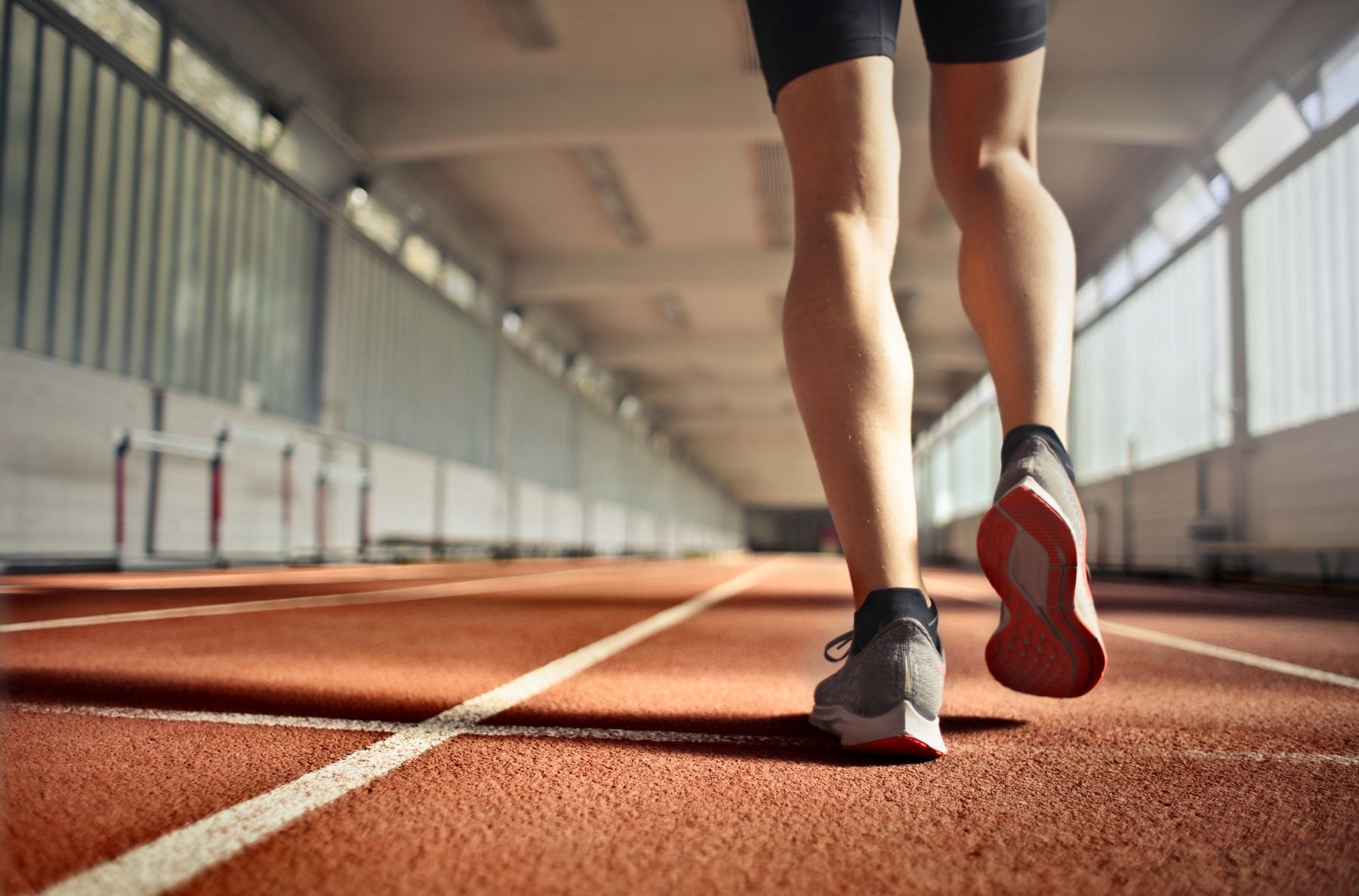
“Feeling fine” is not a clearance test. We rebuild athletes with measured strength, hop, and movement criteria — because the difference between passing and failing those tests is the difference between playing and re-tearing.
Return-to-sport rehabilitation bridges the gap between "cleared by the surgeon" and truly ready to play. Athletes who pass objective return-to-sport criteria have been shown to reinjure at 5.6% versus 38.2% for those who fail them, and each extra month of rehab between months six and nine after ACL reconstruction cuts reinjury risk by about half. RISE Physical Therapy runs criteria-based return-to-sport programs one-on-one in Boise and Nampa, Idaho.
What is return-to-sport rehab?
Return-to-sport rehabilitation is the late stage of recovery that most injured athletes never actually get: the structured bridge between basic healing and the cutting, sprinting, landing, and collision demands of real sport. Surgery fixes the tissue and early rehab restores daily function — but the leap from "walks without pain" to "decelerates at full speed in traffic" is where reinjuries are born.
The problem is well documented. Athletes who return after ACL reconstruction without meeting objective criteria reinjure at alarming rates — especially athletes under 25 returning to pivoting sports. This phase of rehab exists to close that gap with measurement instead of guesswork.
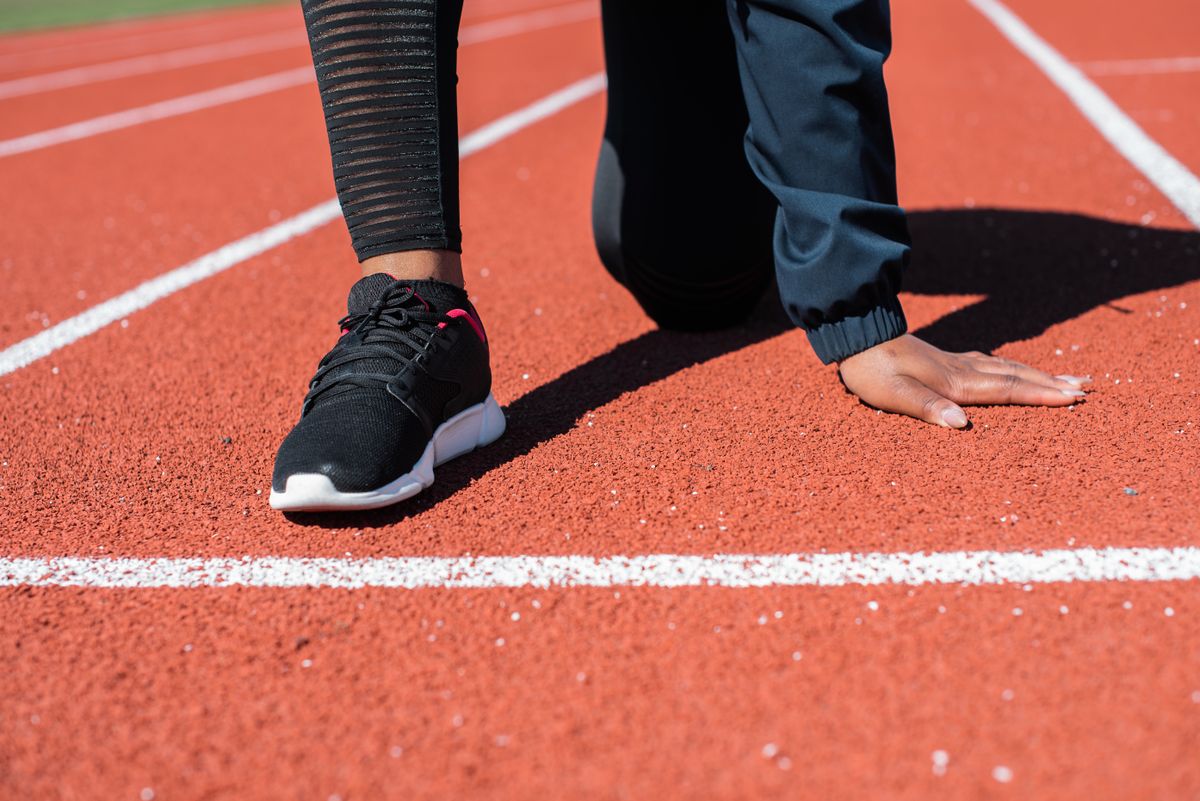
Sport demands sprinting, cutting, and landing under fatigue — so testing has to demand them too.
What does the research say?
Return-to-sport decisions built on objective criteria measurably change outcomes. The key findings we build our testing on:
META-ANALYSIS · JOSPT · 2019
Athletes who passed return-to-sport test batteries after ACL reconstruction had a 5.6% reinjury rate versus 38.2% in those who failed — a sevenfold difference.
Delaying return to at least nine months post-ACL reconstruction matters: each additional month between six and nine reduced reinjury risk by roughly 51%.
Quadriceps strength symmetry of at least 90% versus the uninjured side is the accepted clearance threshold — and every 1% improvement correlates with about 3% lower reinjury risk.
Strength symmetry, psychological readiness, and movement quality — not time alone — were the factors most associated with safe, successful return to sport.
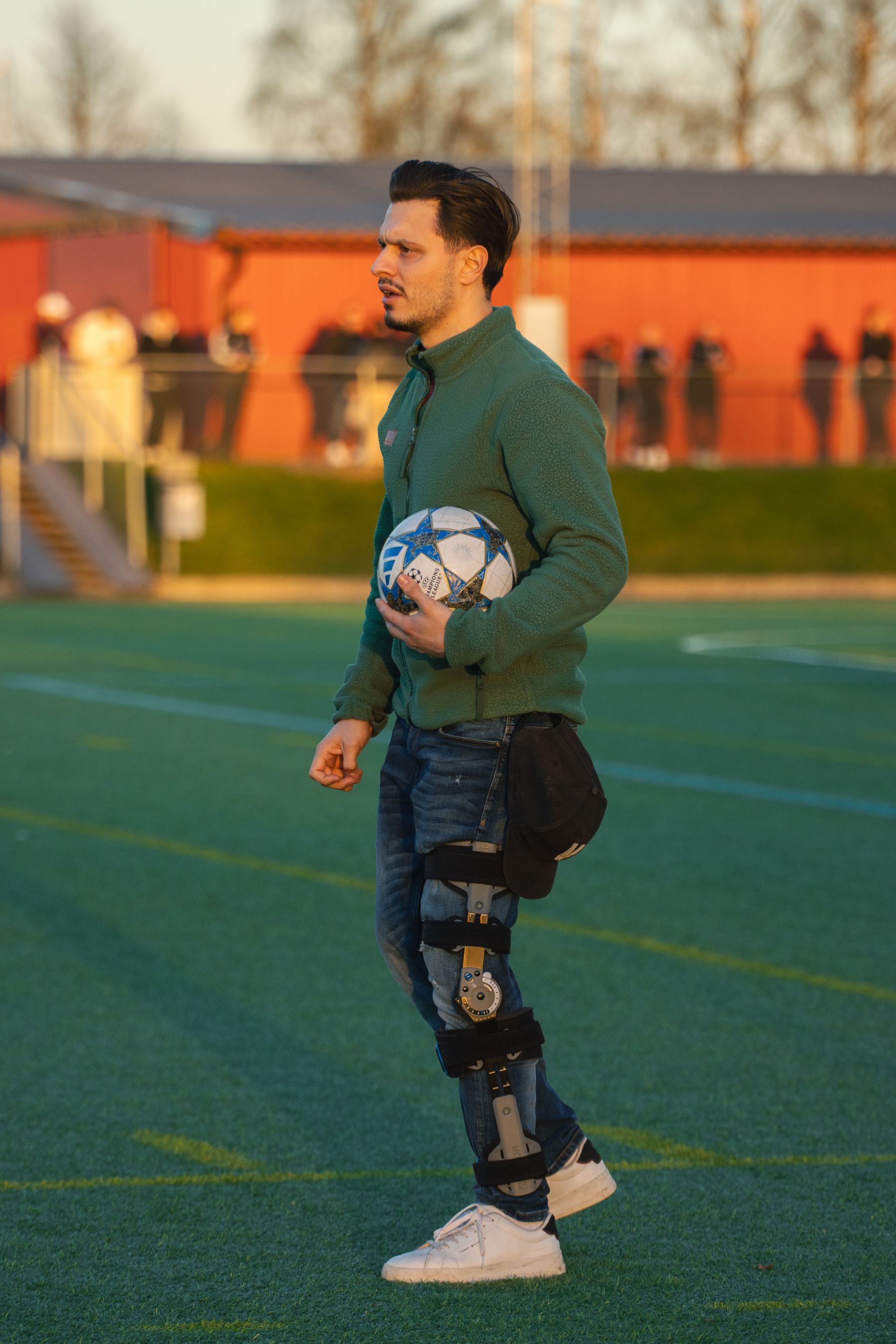
Athletes after ACL reconstruction, meniscus surgery, or other knee procedures
Ankle sprains that keep re-spraining every season
Shoulder instability and post-labral-repair athletes in throwing and contact sports
Hamstring, quad, and calf strains in field and court athletes
High school and college athletes needing objective clearance data for coaches and physicians
Adult athletes — from league soccer to CrossFit — who want to come back without the fear
How we return athletes at RISE
Cookie-cutter protocols end at "no pain, full range." Our return-to-sport programs are built backwards from your sport’s actual demands, tested with objective criteria, and coached one-on-one for a full 45 minutes every session.
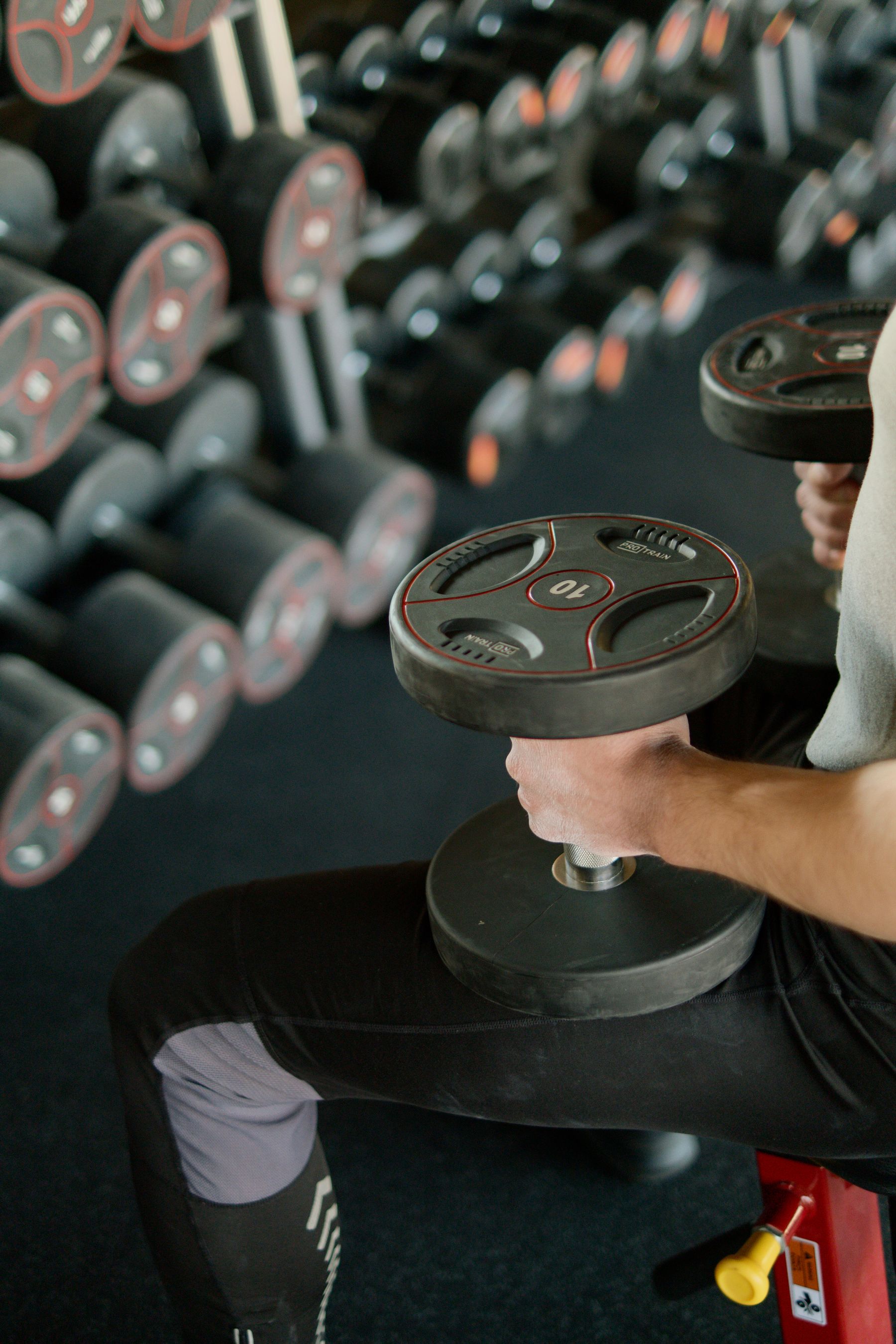
Objective test batteries: strength symmetry, single-leg hop family, balance, and movement quality under fatigue — measured and tracked, not eyeballed.
Sport-specific loading: progressive sprinting, cutting, landing, and contact preparation sequenced to your sport and position.
Psychological readiness: fear of reinjury predicts reinjury; we track confidence alongside strength and address it deliberately.
Data your team can use: clear reports for surgeons, coaches, and athletic trainers at every testing milestone.
Baseline strength, hop, and movement testing shows exactly where you stand against clearance criteria.
02 — TREAT
Close the gaps
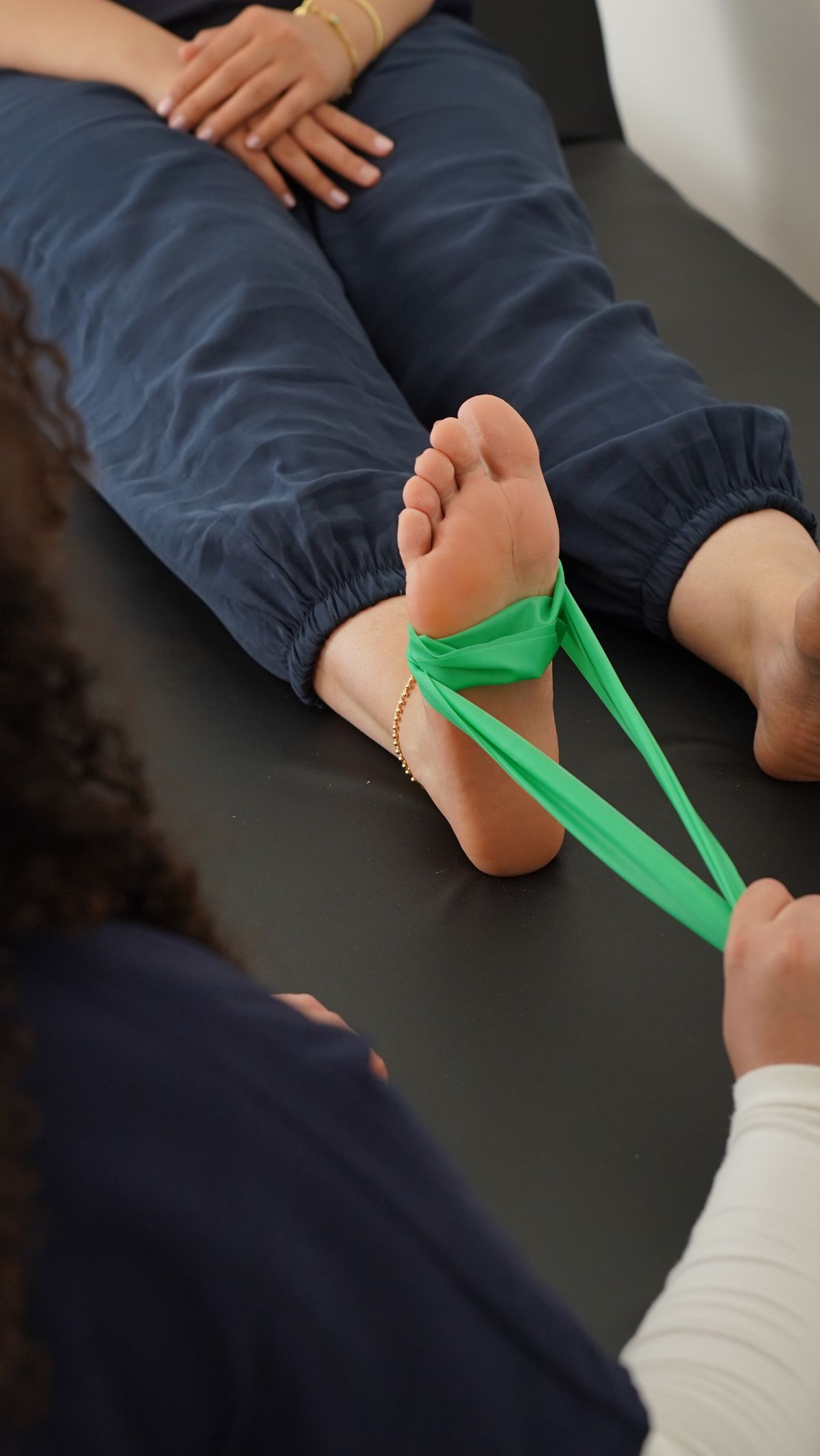
Targeted strength and plyometric progressions attack your specific deficits — often with BFR when loading is limited.
03 — REBUILD
Earn the clearance
Sport-specific sessions under fatigue until you pass every criterion — then a structured ramp back to full play.
What to expect at your first visit
Your injury and your sport. Surgery details and timeline, your position’s demands, and what your season calendar looks like.
Baseline testing. Strength symmetry, hop tests as appropriate for your stage, balance, and movement quality — quantified from day one.
The gap analysis. You’ll see exactly which criteria you already pass and which need work. No vague "you’re getting there."
A phased program. Strength, plyometric, and sport-loading phases with objective milestones gating each step.
Communication. With your surgeon, athletic trainer, or coach — everyone sees the same numbers.
Frequently asked questions
My surgeon cleared me — why do I need return-to-sport testing?+
Surgical clearance typically means the graft or repair has healed — it usually doesn’t include strength symmetry, hop testing, or movement screening. Research shows athletes who pass objective criteria reinjure at 5.6% versus 38.2% for those who fail. Testing is how you find out which group you’d be in before your first game back, not after.
When can I return to sport after ACL surgery?+
Evidence supports waiting at least nine months — each additional month of rehab between six and nine cuts reinjury risk by about half. But time is only the entry ticket: clearance should also require at least 90% quadriceps strength symmetry, passing hop tests, sound landing mechanics, and psychological readiness. We test all of it.
What tests do you actually use?+
A standard battery includes quadriceps and hamstring strength symmetry testing, the single-leg hop test family (single, triple, crossover, and timed), balance testing, movement-quality screening under fatigue, and a psychological readiness measure. Your sport and injury determine the exact mix, and you get the numbers at every retest.
Do you work with high school athletes?+
Yes — young athletes returning to pivoting sports carry the highest reinjury risk, which makes objective testing even more important for them. We work with local athletes across soccer, football, basketball, volleyball, wrestling, and more, and we coordinate with school athletic trainers and coaches.
I’m not a competitive athlete. Is this still for me?+
If your goal involves running, jumping, skiing, or lifting — yes. "Sport" is anything that demands more than daily life. Adult recreational athletes benefit from the same criteria-based approach, scaled to their goals.
Do I need a referral, and does insurance cover this?+
Idaho allows direct access, so no referral is needed to start (post-surgical patients: we coordinate with your surgeon’s protocol). Most major insurance plans cover sports rehabilitation as standard physical therapy, and RISE is in-network with most Idaho plans — we’ll verify your benefits before your first visit.
Thomas earned his Doctorate of Physical Therapy at South College in Knoxville and specializes in lower-extremity post-operative care, sports rehab, and orthopedic conditions at RISE. Meet the full team →
SOURCES
The Association Between Passing Return-to-Sport Criteria and Second Anterior Cruciate Ligament Injury Risk: A Systematic Review With Meta-analysis. J Orthop Sports Phys Ther, 2019. jospt.org/doi/10.2519/jospt.2019.8190
Factors Associated With Return to Sport and Reinjury in Athletes After Anterior Cruciate Ligament Reconstruction: A Systematic Review With Meta-analysis. JOSPT Open, 2023. jospt.org/doi/10.2519/josptopen.2023.0503
 Medically reviewed by Dr. Thomas Kleingartner, PT, DPT · August 2026