What is vasopneumatic compression?
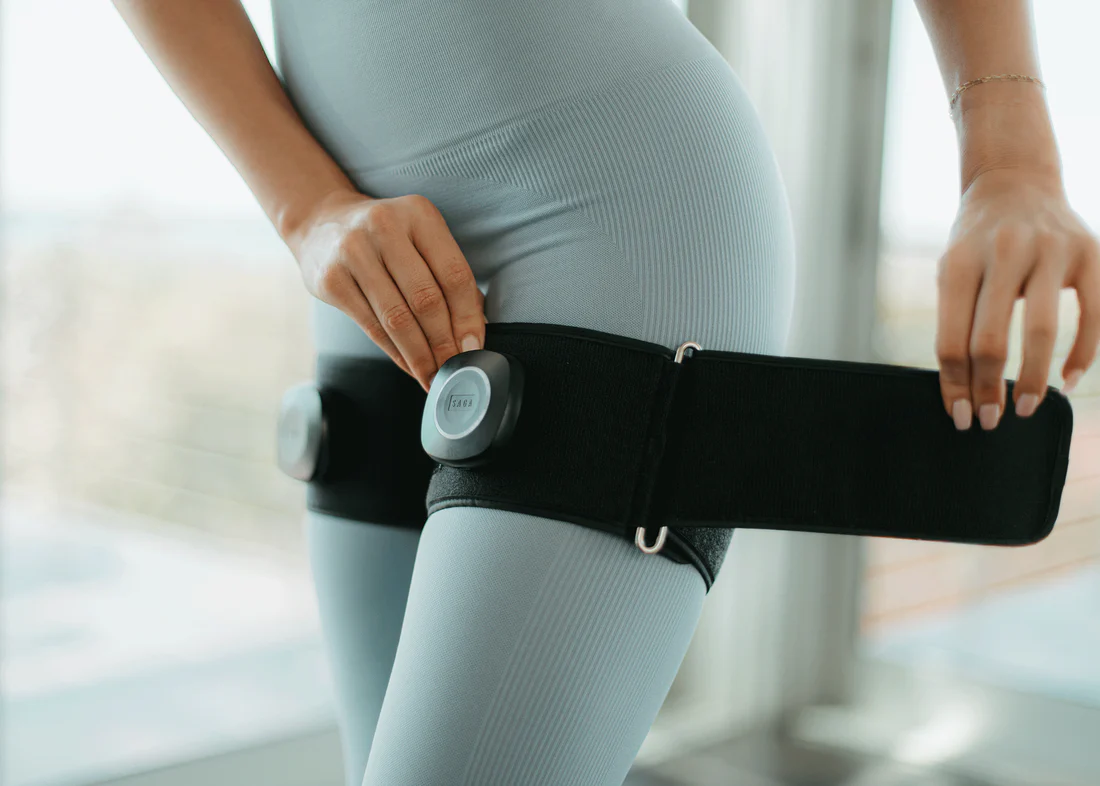
Vasopneumatic compression — also called intermittent pneumatic compression, and familiar from brands like NormaTec — uses inflatable boots or sleeves that fill with air in a sequential, wave-like pattern, squeezing from the far end of the limb toward the body. Each wave mimics what your muscles do naturally when you walk or exercise: pumping venous blood and lymphatic fluid back toward the heart.
That matters most when the natural pump isn't working — after surgery, when you can't yet move much; after injury, when swelling has pooled; or after hard training, when metabolic byproducts make muscles feel heavy and sore.
How does it work?
Compression therapy works through simple mechanics. The external pressure limits the space available for swelling to accumulate, while the sequential inflation pattern actively drives fluid — venous blood, lymph, and the metabolic waste of exercise or injury — out of the limb. Better fluid turnover means less stiffness, less soreness-related guarding, and a limb that's more ready to move and load in the productive part of your session.
What does the research say — honestly?
Compression therapy is a recovery aid with modest, real effects — not a cure, and we won't pretend otherwise:
META-ANALYSIS · 2024 · 17 STUDIES
Across 319 athletes, lower-limb pneumatic compression produced small-to-moderate reductions in muscle soreness and pain after exercise.
View study →
CRITICALLY APPRAISED TOPIC · 2021
In endurance athletes, IPC provided short-term relief of delayed-onset muscle soreness, strongest around the 48-hour mark.
View study →
MECHANISM
Compression limits the space available for swelling and augments venous return — the physiological basis for its role in post-surgical edema management.
View study →
Where it shines in our clinics: post-surgical swelling control and helping sore, heavy legs feel ready to train — as a supporting act to the exercise that does the real work.
When we reach for compression
- Post-surgical swelling in the knee, ankle, or leg — ACL, meniscus, joint replacement
- Acute ankle sprains and other injuries with significant swelling
- Athletes in heavy training blocks managing soreness between sessions
- Heavy, achy legs after long runs, rides, or tournaments
- Circulation support during periods of reduced mobility
 Medically reviewed by Dr. Thomas Kleingartner, PT, DPT · August 2026