The pop, the swelling, the season on hold — an ACL injury is a long road, and the quality of the rehab decides where it ends. We coach the whole distance, one-on-one.
ACL rehabilitation is a 9–12 month, criteria-based process covering prehab, post-surgical recovery, progressive strengthening, and tested return to sport. The evidence is emphatic: waiting until at least 9 months and passing strength and hop criteria reduced reinjury risk by 84% in the Delaware-Oslo cohort study. RISE Physical Therapy delivers ACL rehab one-on-one in 45-minute sessions in Boise and Nampa, Idaho, coordinating closely with your surgeon.
What happens when you tear your ACL?
The anterior cruciate ligament is the knee's primary restraint against the shin sliding and rotating forward — the exact forces of cutting, pivoting, and landing. Most tears are non-contact: a plant-and-twist, an awkward landing, a sudden deceleration. The classic story is a felt or heard pop, swelling within hours, and a knee that no longer trusts itself.
What happens next is a genuine decision, not a conveyor belt. Reconstruction is the usual choice for athletes returning to cutting sports, while structured rehab alone serves some patients well — particularly those whose sports and jobs don't demand pivoting. Either path runs through the same rehab principles, and either way the outcome tracks the quality and patience of the rehabilitation more than any other single factor.
The phases of ACL rehab
ACL rehab is staged by criteria, not just weeks. The map looks like this:
Prehab (injury to surgery): restore full extension, control swelling, wake the quad — the knee you bring to surgery predicts the one you get back
Early post-op (0–6 weeks): protect the graft, regain extension and quiet the swelling, re-establish quad activation
Strength phase (2–6 months): progressive loading of quads, hamstrings, and hips — the longest and most decisive phase
Power and agility (6–9 months): running progressions, plyometrics, change of direction under increasing chaos
Tested return (9+ months): strength symmetry, hop battery, and sport-specific readiness verified before clearance
The brace comes off in weeks — the strength and testing work is what protects the knee for years.
Why criteria-based return to sport matters
The reinjury data changed how good clinics run ACL rehab. In the Delaware-Oslo ACL cohort, athletes who delayed return to sport until at least 9 months and met discharge criteria — including quadriceps strength symmetry — reduced their reinjury risk by 84% compared with those who returned early or untested; reinjury risk fell 51% for each month return was delayed up to month nine.[1] Follow-up work from the same cohort showed functional readiness, not age, is the critical factor for second injuries.[2] A meta-analysis of return-to-sport studies confirms higher quadriceps strength and passing test batteries associate with successful return.[3]
The sobering context that makes discipline worth it: young athletes returning to pivoting sports face substantial second-ACL-injury rates — some studies report more than a fourfold increase for early, untested returns. The 9-month timeline frustrates everyone; it is also the single most protective decision in the process.
How we run ACL rehab at RISE
ACL rehab fails in the gaps — missed strength targets, skipped phases, calendars substituting for criteria. Every RISE session is 45 minutes one-on-one with the same Doctor of Physical Therapy, from prehab through the final return-to-sport test.
Surgeon-coordinated protocol: we work your surgeon's timeline and graft-specific precautions into a criteria-based progression.
Quad-first strength work: early activation, then progressive heavy loading — with blood flow restriction to build muscle while the graft is still protected.
Objective testing throughout: strength symmetry and hop batteries at each phase gate, with numbers you and your coach can see.
The chaos phase most rehab skips: plyometrics, cutting, and sport-specific drills under fatigue — the bridge between "cleared" and "ready."
Swelling, extension, quad activation, and strength get measured — every later decision compares back to these numbers.
02 — TREAT
Rebuild in phases
Criteria-gated progression from protection to heavy strength to plyometrics — no phase skipped, no gate guessed.
03 — REBUILD
Test the return
Strength symmetry, hop batteries, and sport-specific testing verify readiness before the first real game.
What to expect at your first visit
Your story first. The injury, your surgery date or decision status, your sport, and your season's realistic stakes.
A staged assessment. Swelling, range of motion, quad activation, and strength — matched to wherever you are in the timeline.
Protocol alignment. Post-op patients: we sync with your surgeon's protocol the same week. Pre-op or non-op: we build the plan together.
Treatment on day one. Swelling control, extension work, and quad activation start immediately — the early wins that pay off for months.
The long-game map. Phase gates, testing dates, and honest month-by-month expectations — shared with parents and coaches when helpful.
Frequently asked questions
How long after ACL surgery until I can play sports again?+
Nine months is the evidence-based floor, not a worst case. In the Delaware-Oslo cohort, reinjury risk dropped 51% for every month return was delayed up to 9 months post-op, and athletes who returned earlier or failed strength criteria had dramatically higher second-injury rates.[1] Passing criteria matters as much as the calendar: quad strength symmetry, hop testing, and sport-specific readiness — not just feeling good.
Do all ACL tears need surgery?+
No. Athletes returning to cutting and pivoting sports usually benefit from reconstruction, but a meaningful subset of patients — especially those willing to modify activity — do well with structured rehab alone, and some ligaments show healing on follow-up imaging. The honest path is an informed choice with a surgeon and a therapist, not a default. Either way, the rehab quality is what determines the knee you end up with.
Do I need a referral for ACL rehab in Idaho?+
No. Idaho is a direct-access state, so you can start ACL rehab at RISE without a physician referral — though post-surgical patients will have a surgeon whose protocol we coordinate with closely. Some insurance plans — commonly Medicare, Medicaid, and Tricare — require a referral for coverage, and we'll verify your plan before your first visit.
What is prehab and is it worth doing before ACL surgery?+
Prehab is the strengthening block between injury and surgery, and it's one of the highest-value phases of the whole process. Going into surgery with full extension, minimal swelling, and strong quads consistently predicts better outcomes afterward — the knee you bring to the operating room is the knee you rehab from. Even 2–4 weeks of focused work pays off.
Why does my quad shrink so much after ACL surgery?+
Post-surgical pain and swelling trigger arthrogenic muscle inhibition — the nervous system partially shuts the quadriceps down to protect the joint, and strength drains fast. Countering it early is a rehab priority: swelling control, early quad activation, and later blood flow restriction training, which rebuilds muscle at light loads while the graft is still maturing.
What return-to-sport tests should I pass before playing again?+
The core battery is quadriceps strength symmetry (typically over 90% of the uninjured side), a hop test battery, movement quality under fatigue, and sport-specific drills at full intensity — plus the 9-month timeline. In the Delaware-Oslo study, athletes who met discharge criteria before returning cut their reinjury risk by 84% compared with those who didn't.[1] We test all of it and share the numbers with you, your family, and your coach.
Does insurance cover ACL rehab?+
Most major medical plans cover physical therapy after ACL injury and reconstruction. RISE is in-network with most major insurance plans in Idaho — check our insurance list or contact us and we'll verify your coverage before your first appointment.
Thomas specializes in lower-extremity post-operative and sports rehabilitation, including ACL reconstruction recovery. He earned his Bachelor's in Kinesiology at Washington State and his Doctorate of Physical Therapy at South College in Knoxville, Tennessee. Meet the full team →
SOURCES
Grindem H, Snyder-Mackler L, et al. Simple Decision Rules Can Reduce Reinjury Risk by 84% After ACL Reconstruction: The Delaware-Oslo ACL Cohort Study. British Journal of Sports Medicine, 2016. pubmed.ncbi.nlm.nih.gov/27162233
Activity and Functional Readiness, Not Age, Are the Critical Factors for Second Anterior Cruciate Ligament Injury — The Delaware-Oslo ACL Cohort Study. British Journal of Sports Medicine, 2020. pubmed.ncbi.nlm.nih.gov/32046955
Factors Associated with Return to Sport and Reinjury in Athletes After Anterior Cruciate Ligament Reconstruction: A Systematic Review with Meta-Analysis. JOSPT Open, 2023. jospt.org/doi/10.2519/josptopen.2023.0503
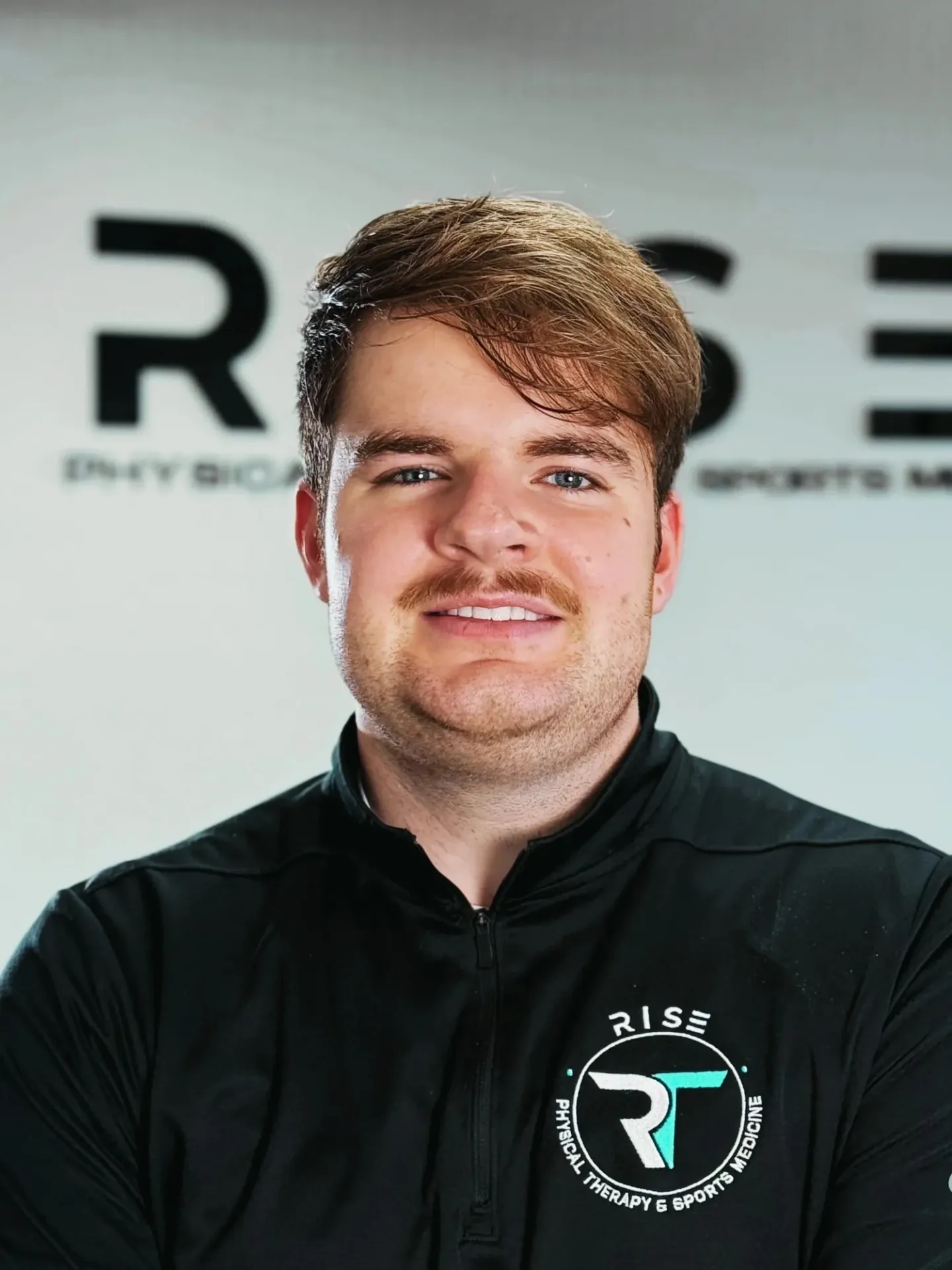 Medically reviewed by Dr. Thomas Kleingartner, PT, DPT · August 2026