TECHNIQUE

Cupping Therapy in Boise & Nampa

Most soft tissue treatment presses down. Cupping lifts — decompressing tissue layers and boosting blood flow where muscles have been chronically compressed and guarded.

AT A GLANCE

Cupping therapy uses suction cups to lift and decompress skin, fascia, and muscle, increasing local blood flow and reducing pain. A 2025 meta-analysis spanning 72 trials and 5,720 participants found cupping reduces chronic musculoskeletal pain, with especially consistent results for low back pain. At RISE Physical Therapy in Boise and Nampa, Idaho, dry cupping is integrated into one-on-one, 45-minute physical therapy sessions.

What is cupping therapy?

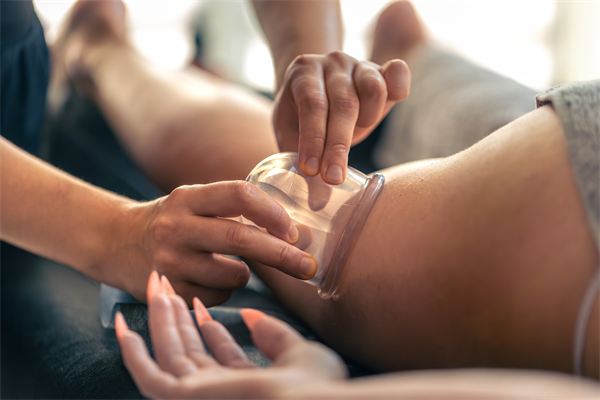
Cupping is a soft tissue treatment in which suction cups — silicone or plastic in modern clinical practice — are applied to the skin over restricted muscle. The vacuum lifts the skin and superficial fascia away from the tissue underneath, creating space and pulling fresh blood into an area that chronic tension has been compressing. Cups may stay in place for a few minutes or glide along the muscle, and treatment is often combined with movement — you contract and stretch the muscle while the cup decompresses it.

At RISE we practice dry cupping only (no skin puncturing), and we use it as one tool inside a physical therapy plan — not as a stand-alone spa service.

How does cupping work?

Cupping works by decompression — the mechanical opposite of massage, needling, and instrument work. The suction separates tissue layers that have become adherent, dramatically increases local blood flow (the circular marks are evidence of that), and provides a novel sensory input that dampens the nervous system's pain and guarding response. For chronically compressed, load-bearing areas like the low back, upper traps, and IT band region, that lifting stimulus often reaches what pressing techniques can't.

What does the research say — honestly?

Cupping's evidence base is genuinely mixed in quality, and we'd rather tell you that than oversell it:

META-ANALYSIS · 2025 · 72 TRIALS

Across 5,720 participants, cupping reduced chronic musculoskeletal pain versus comparison treatments — though the authors note most trials carry a high risk of bias.

View study →
META-ANALYSIS · 2024 · LOW BACK

For low back pain, cupping showed superior and sustained pain reduction compared with medication and usual care.

View study →
PLACEBO-CONTROLLED REVIEW · 2025

Against placebo cupping, effects shrink — suggesting part of the benefit is nonspecific. Real-world relief is real; the mechanism is likely part tissue, part nervous system.

View study →

Our position: cupping is a useful, low-risk adjunct that many patients find meaningfully relieving — and it always rides alongside exercise and hands-on care, never instead of them.

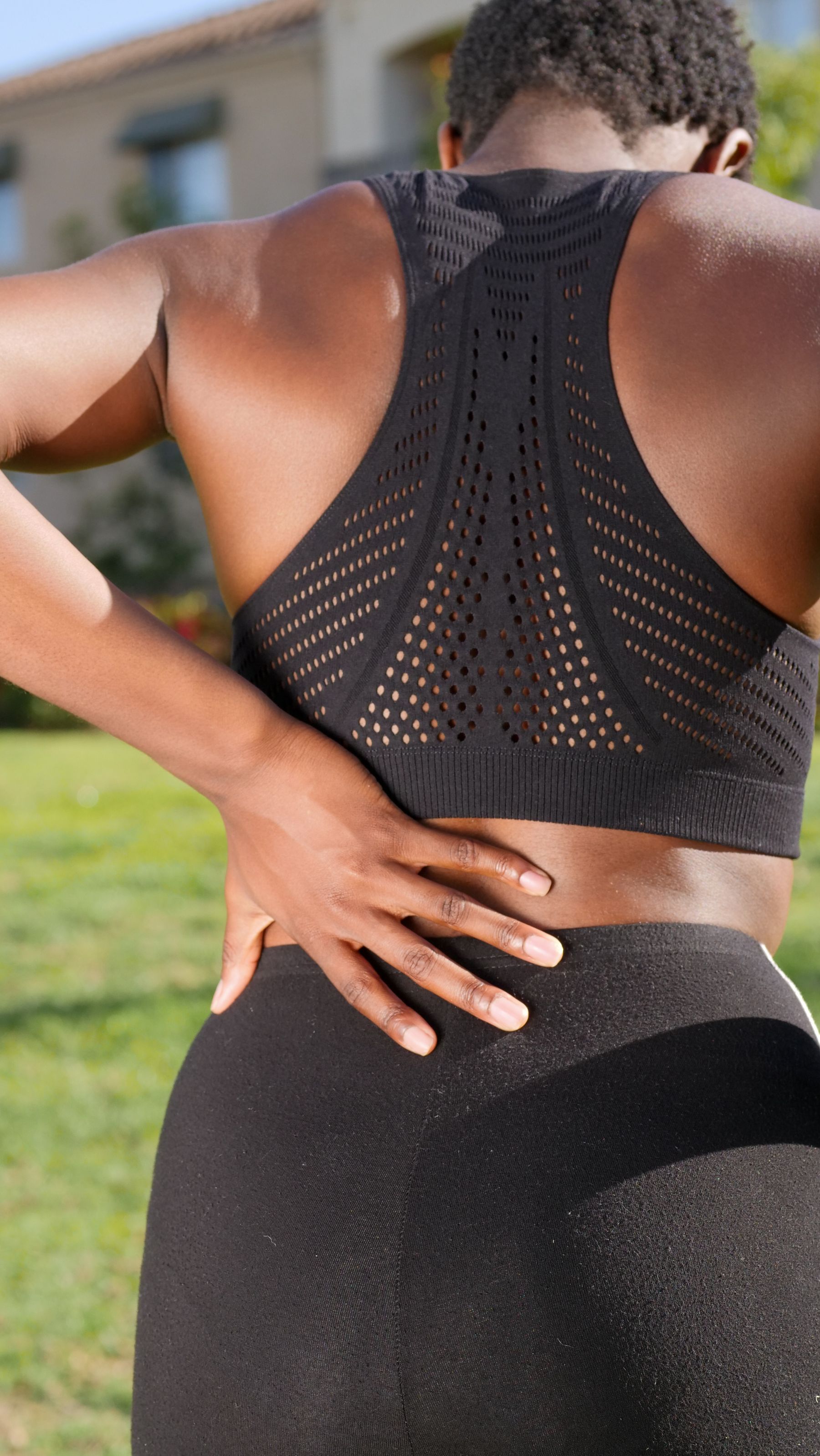
What we use cupping for

How we use cupping at RISE

A cup placed on a random tight spot is a souvenir mark, not treatment. In our 45-minute one-on-one sessions, cupping is applied to the restrictions your exam identifies — usually with movement, and always followed by loading.

  • Placement from your exam: cups go where assessment shows restricted tissue glide — not just where it aches.
  • Cupping with movement: actively contracting and stretching under decompression outperforms lying still; we coach you through it.
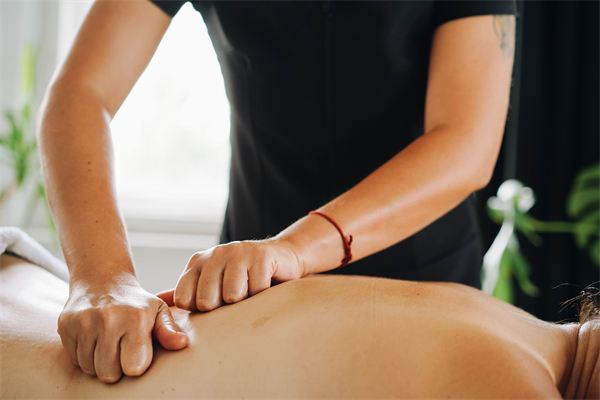
  • Combined intelligently: decompression (cupping) plus compression techniques (myofascial release, IASTM) attack restrictions from both directions.
  • Honest expectations: we tell you what the marks mean, how long they last, and what cupping can and can’t do.

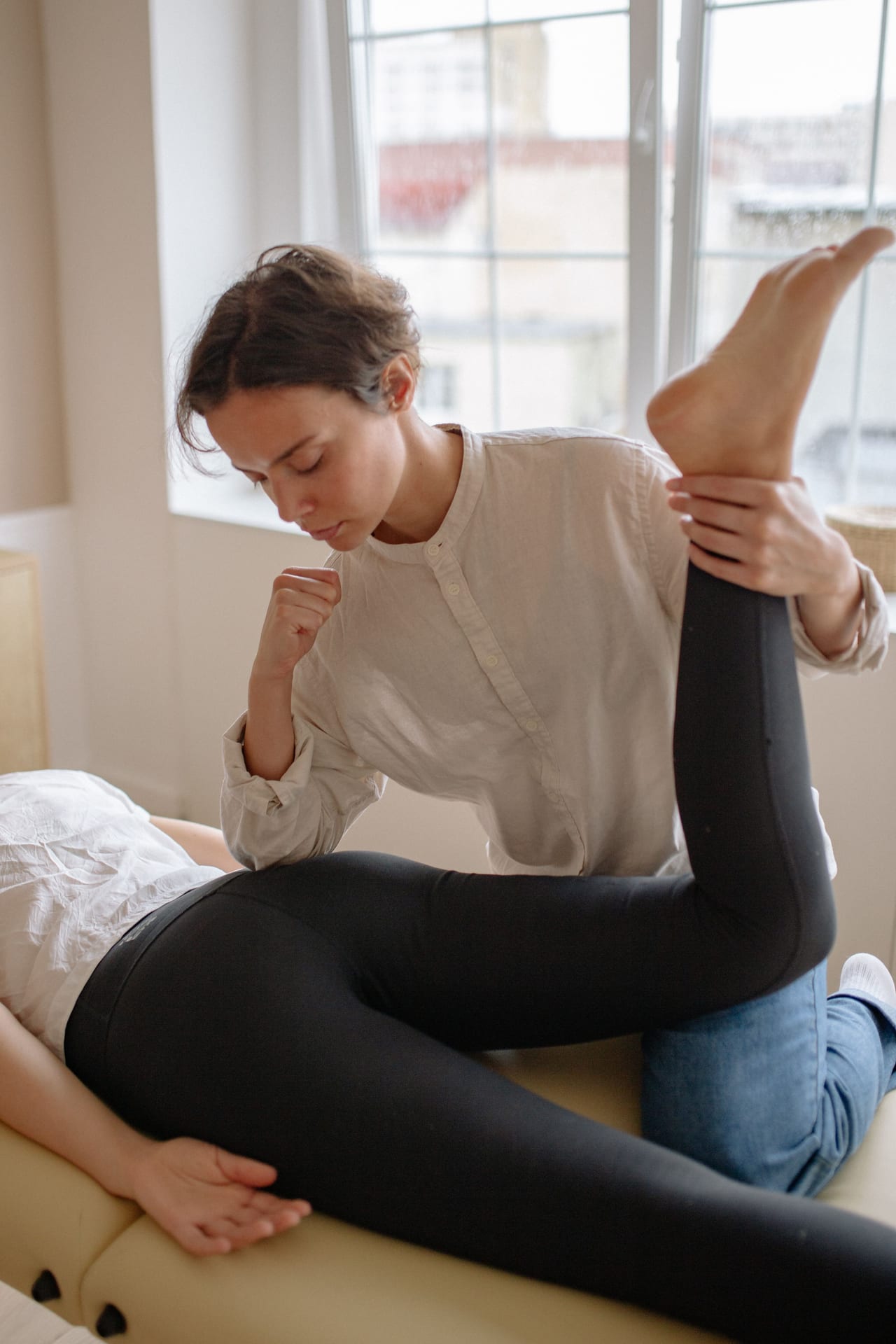
Techniques we often pair with it

Sliding cupping treatment along the outer thigh
01 — ASSESS
Map the restriction

Movement and tissue testing find where decompression will actually help.

02 — TREAT
Lift and move

Static or gliding cupping — usually with active movement — restores tissue glide and blood flow.

03 — REBUILD
Load the change

Strength and mobility work makes the decompressed tissue resilient, not just relieved.

What to expect at your first visit

  1. History and screening. Your symptoms and a quick screen — cupping is modified or skipped with certain skin and medical conditions.
  2. Movement exam. We locate the restricted areas and confirm cupping fits your plan better than — or alongside — other techniques.
  3. First treatment. Conservative dosing on visit one to see how your tissue responds; marks are lighter than you expect.
  4. Movement integration. You’ll move under the cups and load the area immediately after.
  5. Plan forward. How cupping fits into your broader plan of care, and what results to expect by when.

Frequently asked questions

Do the cupping marks hurt? How long do they last?+
The marks are generally painless — they’re not bruises but the result of blood being drawn into the decompressed tissue. They typically fade in 3–10 days depending on how restricted the tissue was and how long the cups stayed on. The treatment itself feels like a strong lifting or stretching pull, which most patients find oddly relieving.
Is this the same cupping Olympic athletes use?+
Yes — dry cupping over muscle, the same approach that left the famous circles on Olympic swimmers. Athletes use it for the same reasons we do: decompressing overworked tissue and speeding perceived recovery between training loads.
Do you do wet cupping?+
No. RISE practices dry cupping only — suction without any puncturing of the skin. It’s the form used in physical therapy practice and the one studied in the musculoskeletal research we cite.
Does cupping actually work, or is it a placebo?+
The honest answer: both matter. Meta-analyses covering thousands of patients show real pain reduction — particularly for low back pain — while placebo-controlled trials suggest part of the effect is nonspecific. We use cupping because it reliably helps patients feel and move better at very low risk, and because at RISE it’s always combined with exercise, which carries the strongest evidence of all.
Who shouldn’t get cupping?+
We avoid or modify cupping over broken or fragile skin, active infections, areas of clotting concern or varicosities, and in patients on blood thinners or with certain medical conditions. Your evaluation screens for all of this before any cups are placed.
Do I need a referral, and does insurance cover cupping?+
No referral is needed — Idaho allows direct access to physical therapy. Cupping is delivered as part of your treatment session, which most major plans cover as physical therapy; RISE is in-network with most Idaho insurance plans and we’ll verify your benefits first.
ONE PATIENT, ONE HOUR, ONE FOCUS

Chronically tight? Try lifting instead of pressing.

Cupping inside a complete one-on-one plan of care — no referral needed in Idaho.

Dr. Carson Bailey, PT, DPT
Dr. Carson Bailey
PT, DPT · CO-FOUNDER

Carson is a co-founder of RISE Physical Therapy. He earned his Doctorate of Physical Therapy at Pacific University after a Kinesiology degree at Boise State, and focuses on orthopedic, low back, and foot & ankle care. Meet the full team →

SOURCES

  1. Effects of cupping therapy on chronic musculoskeletal pain and collateral problems: a systematic review and meta-analysis. 2025. pmc.ncbi.nlm.nih.gov/articles/PMC12121573/
  2. The effectiveness of cupping therapy on low back pain: A systematic review and meta-analysis of randomized control trials. 2024. pubmed.ncbi.nlm.nih.gov/38184285/
  3. The Efficacy of Dry Cupping Compared to Placebo Cupping for People With Musculoskeletal Complaints: A Systematic Review With Meta-Analysis. JOSPT Open, 2025. jospt.org/doi/10.2519/josptopen.2025.0159