Your body did something extraordinary — and then everyone's attention moved to the baby. Leaking, core weakness, and pain after childbirth are common. They're also treatable.
Postpartum recovery physical therapy addresses the pelvic floor, abdominal wall, and whole-body changes that follow pregnancy and childbirth — including the roughly one in three women with urinary incontinence after delivery. Cochrane-reviewed evidence shows pelvic floor muscle training reduces postpartum leaking, and structured rehab restores core function and return to exercise. RISE Physical Therapy provides one-on-one postpartum care with a Herman & Wallace–trained pelvic specialist in Boise and Nampa, Idaho, with no referral required.
What is postpartum physical therapy?
Postpartum physical therapy is structured rehabilitation for the changes pregnancy and childbirth impose on the body: a pelvic floor that stretched dramatically (or was surgically crossed in a C-section), abdominal muscles that separated to make room, ligaments still under hormonal influence, and a spine and hips adapting to feeding, carrying, and chronic sleep deprivation. In much of Europe, pelvic floor rehab after birth is routine; in the U.S., most women are cleared at six weeks and never assessed again.
That gap matters because the common problems — leaking with sneezes or jumps, a doming midline, pelvic heaviness, pain with intimacy, nagging back and hip pain — are not "just part of being a mom." They're specific, assessable, and mostly very treatable, whether your baby arrived two months or ten years ago.
Symptoms: what's common but not "just normal"
Book an evaluation if you recognize any of these — at six weeks or six years postpartum:
Leaking urine with coughing, sneezing, laughing, running, or jumping
A gap, bulge, or doming down the middle of your abdomen (diastasis recti)
Heaviness or pressure in the pelvis, especially by day's end
Pain with intimacy, or C-section scar sensitivity and pulling
Back, hip, or pelvic girdle pain that feeding and carrying keep stirring up
A core that doesn't feel like it "turns on" when you lift or exercise
Sudden heavy bleeding, fever, signs of infection, or new severe pain in the early weeks belong with your OB first — we coordinate rather than replace that care.
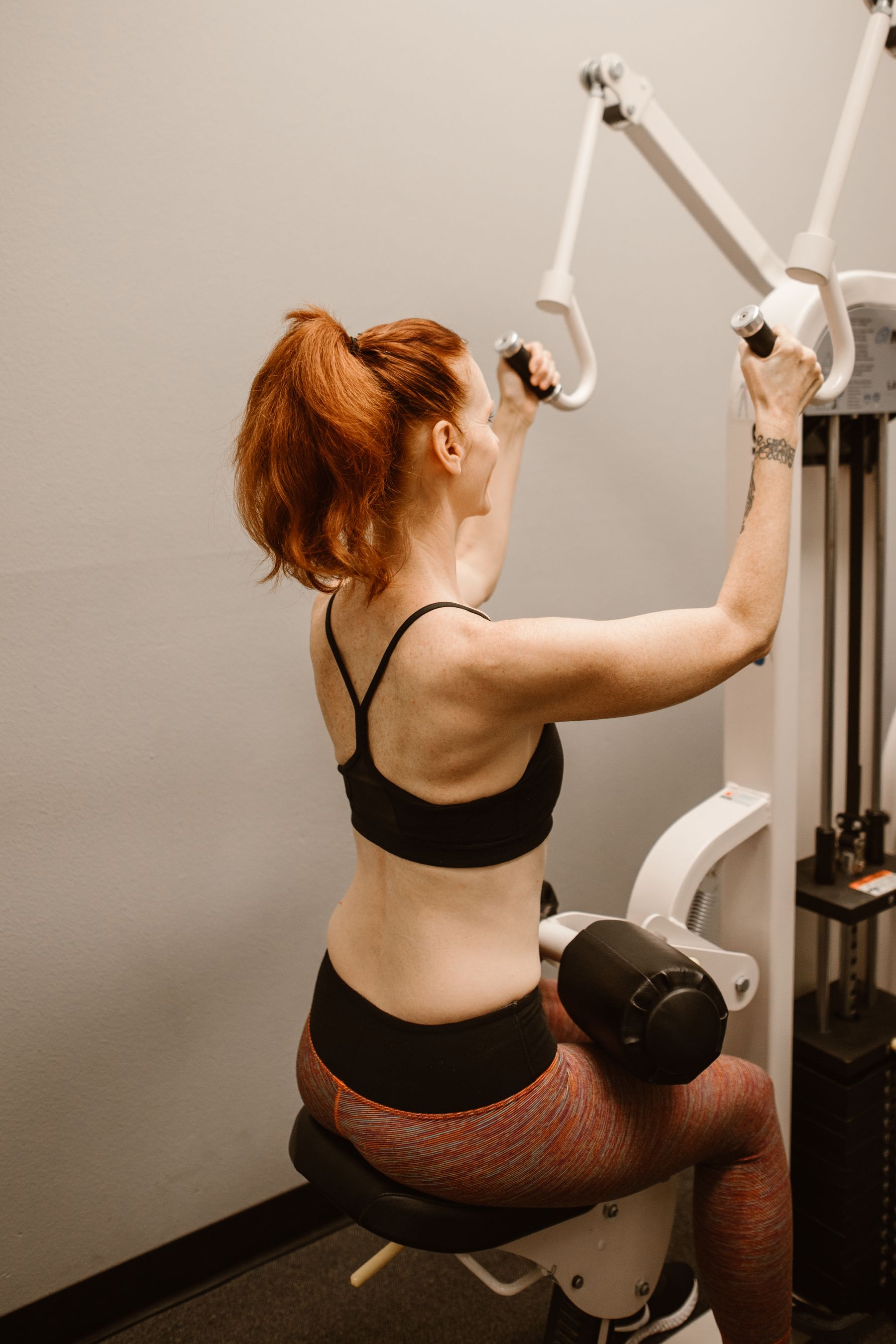
Return to lifting and running is testable — strength, symptoms, and impact tolerance guide the timeline.
Does pelvic floor therapy after birth actually work?
This is one of the better-studied corners of rehabilitation. The Cochrane review of pelvic floor muscle training in antenatal and postnatal women found that women with postpartum incontinence who completed structured training were significantly less likely to report leaking at 12 months after delivery, and training during pregnancy reduced incontinence in late pregnancy and the early postnatal period.[1][2] A 2024 systematic review reinforces pelvic floor muscle training's effectiveness in preventing urinary incontinence after vaginal delivery.[3]
The honest notes: evidence beyond one year is thinner, and success depends on doing the training correctly — studies consistently show a large share of women perform pelvic floor contractions incorrectly without feedback, which is where individual assessment and biofeedback earn their place. For diastasis recti, the evidence base is younger but supports progressive core training as first-line care, with surgery reserved for cases that don't respond.
How we treat postpartum recovery at RISE
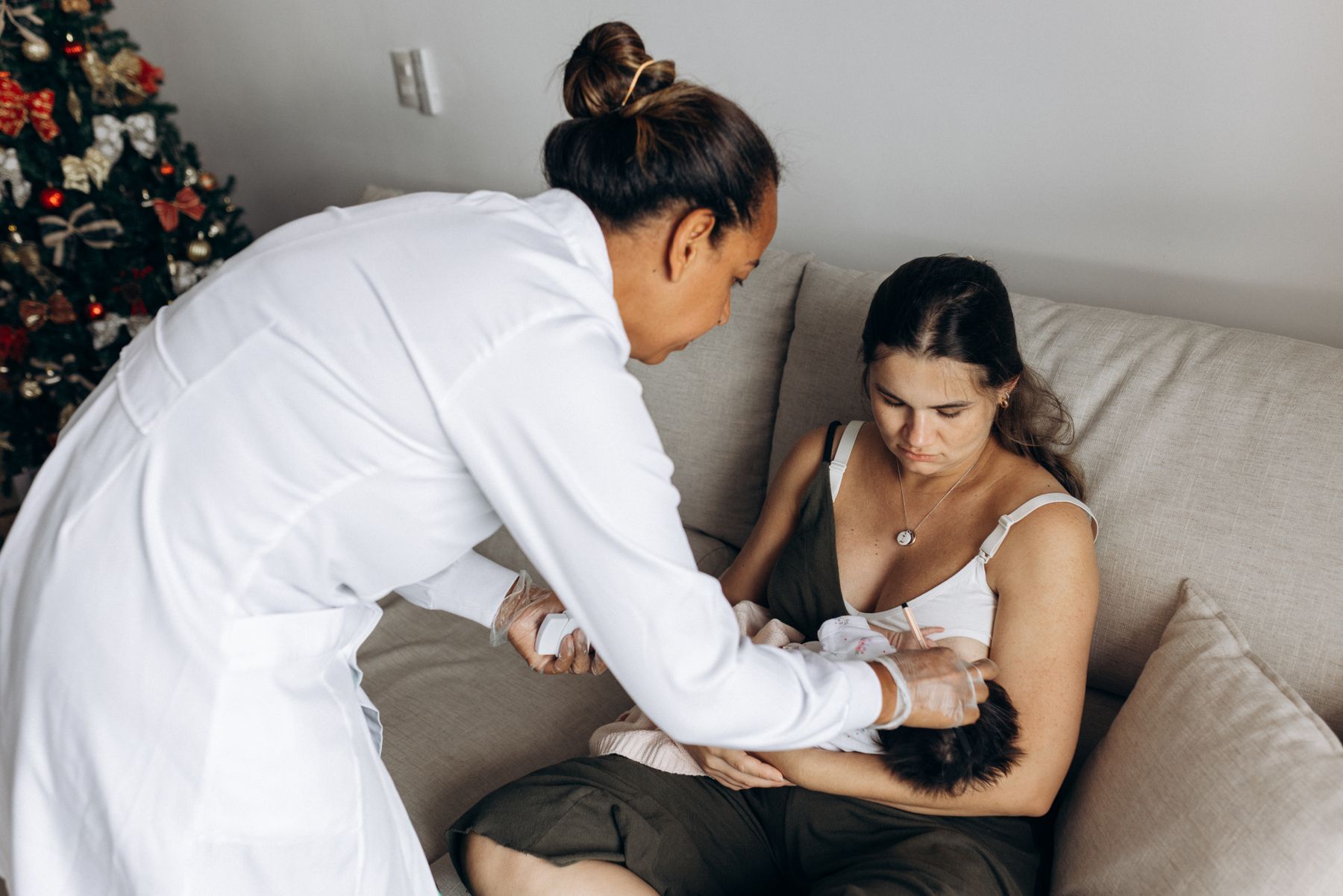
Postpartum care at RISE is led by a Herman & Wallace–trained pelvic floor specialist, one-on-one for a full 45 minutes in a private room — enough time and privacy for care this personal to be done properly.
Whole-system evaluation: pelvic floor, abdominal wall and diastasis measurement, breathing mechanics, and the back and hips that carry new-parent life.
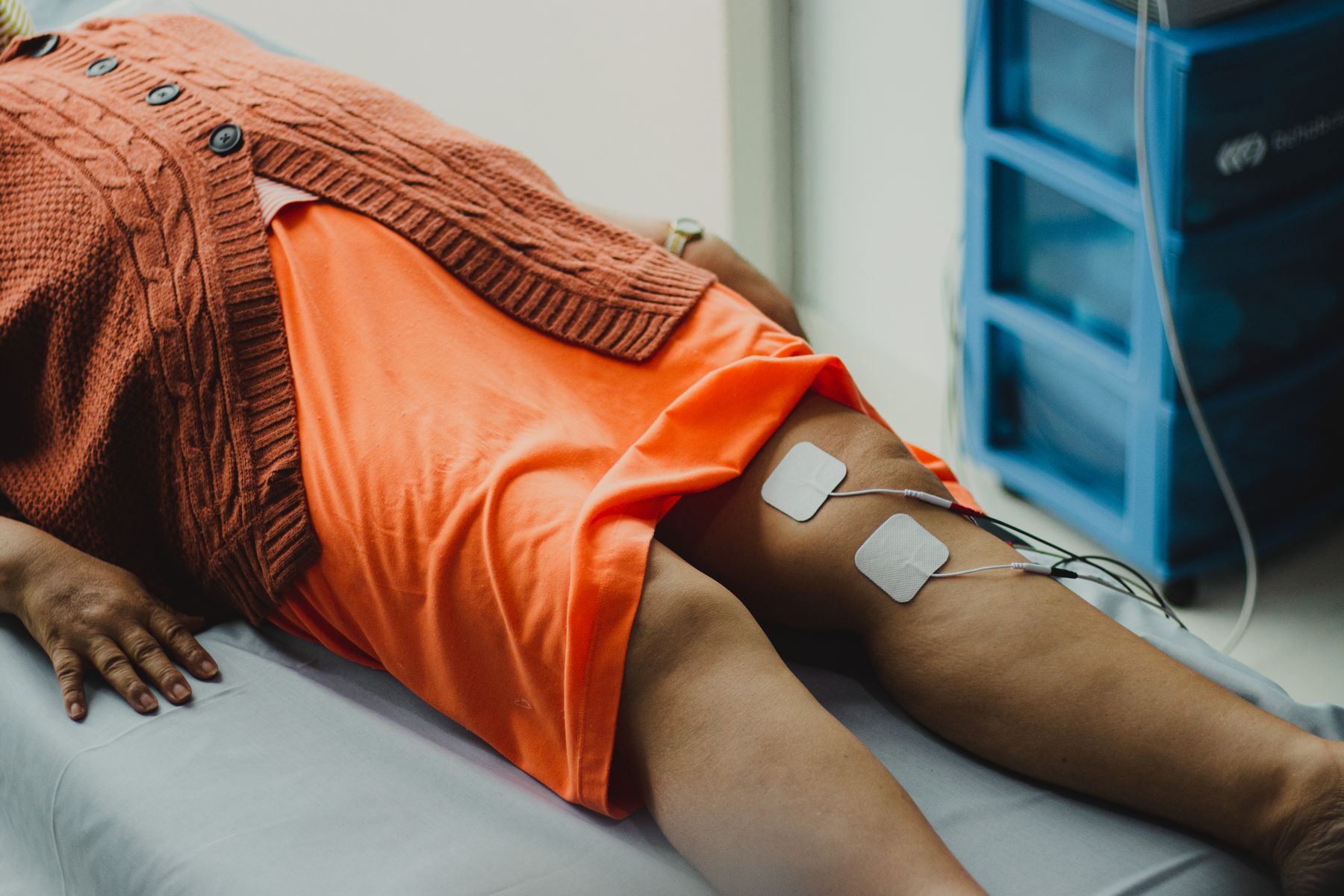
Pelvic floor training that's actually verified: internal assessment (always consent-based) and biofeedback confirm you're training the right muscles the right way.
Progressive core rehab: pressure-management and deep abdominal work for diastasis, built up to real lifting — car seats are heavy.
Graded return to exercise: tested progressions back to running, lifting, and classes, with symptoms as the gauge rather than guesswork.
Pelvic floor, diastasis, breathing, and strength — a full postpartum baseline, whether it's been six weeks or six years.
02 — TREAT
Restore the foundation
Verified pelvic floor training and pressure-managed core work rebuild the system from the inside out.
03 — REBUILD
Return to everything
Graded, tested progressions back to running, lifting, and the life you had planned on resuming.
What to expect at your first visit
Your story first. Your pregnancy, delivery, current symptoms, and goals — in a private room, with time to actually talk. Babies are welcome.
Education up front. What the pelvic floor and core are doing (and not doing) right now, in plain language with zero judgment.
A consent-led exam. External assessment always; internal pelvic floor assessment only if and when you're comfortable — it's the gold standard, not a requirement.
Treatment on day one. Breathing, activation, and the first exercises of your program — plus immediate strategies for lifting and leaking.
A staged plan. Typical plans run 6–10 visits; you'll know the milestones from symptom control through return to impact.
Frequently asked questions
Is leaking after having a baby normal?+
Common, yes — about one in three women experience urinary incontinence after childbirth. Normal to live with forever, no. Cochrane-reviewed evidence shows pelvic floor muscle training reduces postpartum incontinence, with treated women significantly less likely to report leaking a year after delivery.[1] It's one of the most treatable problems in postpartum health, and treatment is far more than "do your kegels."
When should I start physical therapy after giving birth?+
A pelvic floor evaluation around 6 weeks postpartum — after your OB clearance — is an ideal starting point for most women, whether delivery was vaginal or C-section. Earlier visits can address pain, positioning, and gentle activation; later is never too late. Symptoms that persist months or years after delivery still respond to treatment.
Do I need a referral for postpartum physical therapy in Idaho?+
No. Idaho is a direct-access state, so you can book a postpartum evaluation at RISE without a physician referral. Some insurance plans — commonly Medicare, Medicaid, and Tricare — require a referral for coverage, and we'll verify your plan's requirements before your first visit.
Can diastasis recti be fixed without surgery?+
Most cases improve meaningfully with training. Diastasis recti — the separation of the abdominal muscles along the midline — narrows naturally in the early months and responds to progressive core rehabilitation that teaches the deep abdominals to manage pressure again. Surgery is reserved for large, symptomatic separations that don't respond; the training route comes first, and function often recovers even when a small gap remains.
When can I run or lift weights again after having a baby?+
Guidelines commonly suggest earliest return to running around 12 weeks postpartum — but readiness is individual and testable: leaking, heaviness, pain, or doming with impact are signals the system needs more capacity first. We test strength, pelvic floor function, and impact tolerance, then build a graded return so you get back to running and lifting without setbacks.
What does a postpartum evaluation involve — is an internal exam required?+
Your evaluation covers posture, breathing, abdominal wall assessment including any diastasis, hip and back screening, and — only with your consent — an internal pelvic floor assessment, the most accurate way to test those muscles. Everything is explained first, your comfort leads, and a full plan can be built without an internal exam if you prefer.
Does insurance cover postpartum physical therapy?+
Most major medical plans cover pelvic floor and postpartum physical therapy when there's a diagnosis like incontinence, pelvic pain, or diastasis recti. RISE is in-network with most major insurance plans in Idaho — check our insurance list or contact us and we'll verify your coverage before your first appointment.
Mandy leads pelvic floor and postpartum care at RISE Physical Therapy, with Herman & Wallace Pelvic Rehabilitation Institute training in pelvic floor assessment and treatment. Meet the full team →
SOURCES
Woodley SJ, et al. Pelvic Floor Muscle Training for Preventing and Treating Urinary and Faecal Incontinence in Antenatal and Postnatal Women. Cochrane Database of Systematic Reviews, 2020. cochranelibrary.com/cdsr/doi/10.1002/14651858.CD007471.pub4
Pelvic Floor Muscle Training for Prevention and Treatment of Urinary and Fecal Incontinence in Antenatal and Postnatal Women: A Short Version Cochrane Review. Neurourology and Urodynamics, 2014. pubmed.ncbi.nlm.nih.gov/23616292
Effectiveness of Pelvic Floor Muscle Training in Preventing Urinary Incontinence After Vaginal Delivery: A Systematic Review. 2025. ncbi.nlm.nih.gov/pmc/articles/PMC12355624
 Medically reviewed by Dr. Mandy Robertson, PT, DPT · August 2026